
Watch: How Jones Road Scaled TV to 25% of Its Media Mix
Jones Road Beauty was built on paid social. For years, it was their most dependable marketing channel to hit their numbers. Until it wasn't.
"It worked, and it worked, and it worked," said Cody Plofker, former CEO of Jones Road Beauty, speaking on a recent episode of Nik Sharma's Limited Supply podcast. "And then eventually it doesn't, and you've got to reach new people."
At the time, Jones Road was doing roughly $105 million in revenue with about 80% of its media in paid social. Reach was getting worse. Frequency was climbing. New visitor numbers were sliding month over month. Cody tried solving it with reach campaigns on Meta to no avail. "Just trying to band-aid it," as he put it, but the real problem was that the brand had run out of new people to talk to in the only place it knew how to buy.
So they tested TV and eventually scaled it to about a quarter of their media spend.
Cody walked through how they got started, what they measured, and the one experiment he’d warn other brands about.
The Lure of Free Ad Credits
Somewhere along the way, Jones Road took a swing at a self-service programmatic platform that came with the promise of free ad credits.
"It was a very good pitch; free ad credits, lower fees, and we can do it ourselves," said Cody. The first test actually went well. In fact, it was one of their more efficient CPAs to date.
Then they ran it again.
"It was wildly unprofitable. And I think part of it is the inventory issue. It was good at the beginning, but it's just not a sustainable strategy,” explained Cody. “So we ended that experiment as quickly as we could."
The free ad credits weren't the problem. The lack of transparency was. The promotion got Jones Road in the door of a platform that couldn't explain its own results and couldn't hold performance once the free ad inventory ran out.
Our CMO, Amit Sharan, recently wrote about how this tactic is the same as a buy-one-get-one (BOGO) promotion. Every marketer understands the math: discount strategically, move inventory, protect your margin. You'd never run one at a loss. So why do so many experienced marketers accept ad match-spend credits from TV platforms?
If a platform can hand you $10,000 in inventory and still stay profitable, it isn't delivering $10,000 in media value. You didn't get a 100% bonus. You paid a premium you can't see. And the damage doesn't stop at the media budget. When you're overpaying for impressions without knowing it, your attribution can't separate weak creative from inflated CPMs, so you kill spots that were working, scale ones that weren't, and then set next quarter's channel mix on top of that data.
Cody's experience exemplifies this exact scenario, as he points out in the episode.
Most self-service CTV platforms give advertisers access to a fraction of what's actually available on TV. A test on 20% of the inventory, measured by the platform selling it, isn't a TV test. It's a test of that platform. "It's icing on the cake. Who doesn't want credits?,” said Cody. “But it's got to be part of a strategy. It's not going to take you into the black if you're in the red. You've got to look at total performance. You've got to look at your fees, your agency fees, your credits, whatever's going to give you the best return at the end of the day.”
Other Takeaways from the Conversation
Start on Both Screens: "I probably would go closer to like the 50-50 in test streaming and linear out the gate versus just going with linear,” stated Cody. Running both is also what taught him why it matters: performance moved between them month to month, sometimes linear ahead, sometimes streaming, with the media mix model setting allocation. Access to all of it is what makes that call possible in the first place.
The Halo Impact is the Real: Jones Road started on linear TV. Within days, new visitors "just shot up." Branded search went from about $1K/day to $4K/day. And even our Meta campaigns got better without a single change to the strategy. We often see this across many Tatari clients: up to 50% higher conversion rates for site visitors who came through social and had been exposed to a TV ad.
Measure Outside the Platform: Cody treats in-platform attribution as directionally useful, not as proof. Jones Road leaned on a post-purchase survey first, layered in a media mix model and incrementality tests, and watched organic and direct traffic move as TV budgets scaled. Measurement shouldn’t be based on one single model, it's about having independent reads capable of validating when the platform is telling you. That discipline is also what surfaced the programmatic problem once performance fell apart.
Your Best TV Creative May Already Exist: A lot of Jones Road's top-performing spots started as organic TikToks with their founder, Bobbi Brown. "By the time we did go and do a TV shoot, we felt very confident in a lot of the strategy." Social is where you find product-market fit on a message. TV is where you scale it.
Hear More from Cody at Forward
The conversation doesn't end with the podcast. Cody will be speaking at Forward, Tatari's annual TV advertising conference, on October 29 at The Glasshouse in New York City, alongside other marketing leaders who are rethinking what TV can do for their brands. Expect the same candor you heard in this episode: what's working right now, what isn't, and what the numbers actually say. Space is limited, so RSVP here to save your seat.
Want TV to do for your brand what it did for Jones Road? Let’s talk!

Sean Drobeck
Passionate about TV strategy and football.
Related
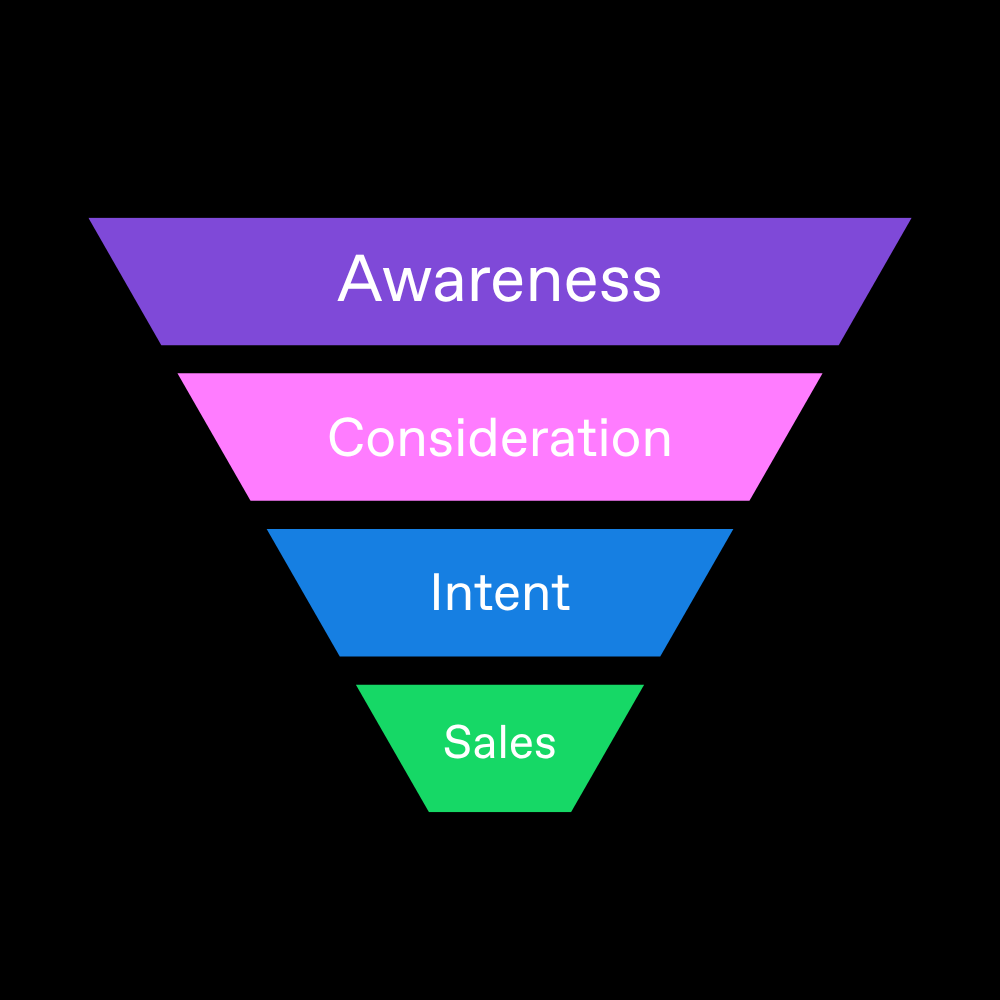
New Data Shows TV Outperforms Every Other Channel on Influence
A new study confirms what performance advertisers have long suspected: TV still dominates the purchase funnel, and if you've been shifting budget away from linear, the data might make you reconsider.
Read more
TV Can No Longer Be Overlooked in Media Plans for 2026
TV budgets are rising in 2026—but not for the reasons you might expect. New advertiser data shows how TV is being redefined as a performance channel that strengthens search, social, and full-funnel results.
Read more
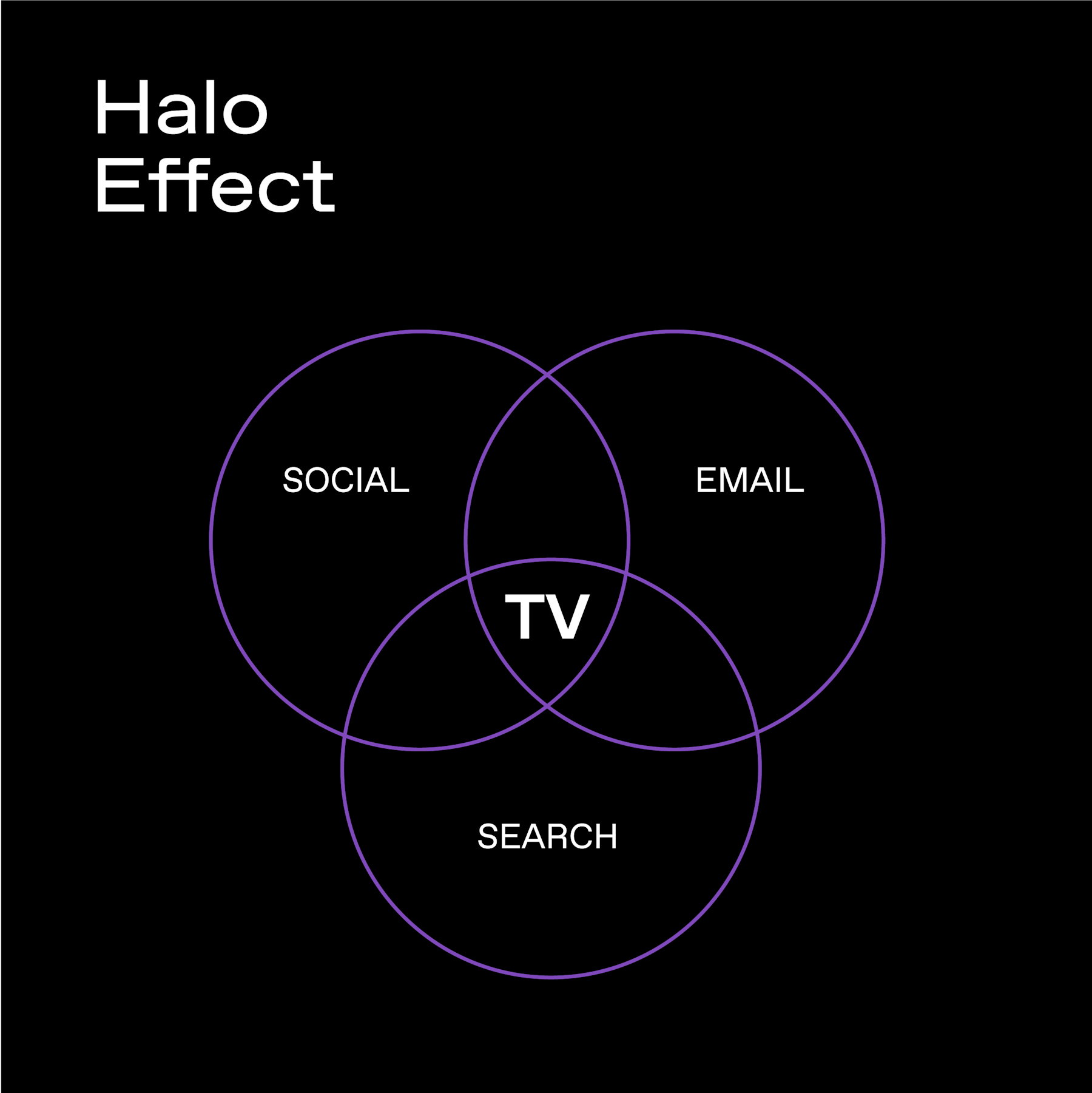
TV's Halo Effect and How Advertisers Use It
Think Instagram is driving all your sales? Think again. Tatari data shows that TV ads quietly supercharge every other channel—boosting conversions on social, email, and beyond by over 50%. See how we help brands measure TV's full halo effect.
Read more