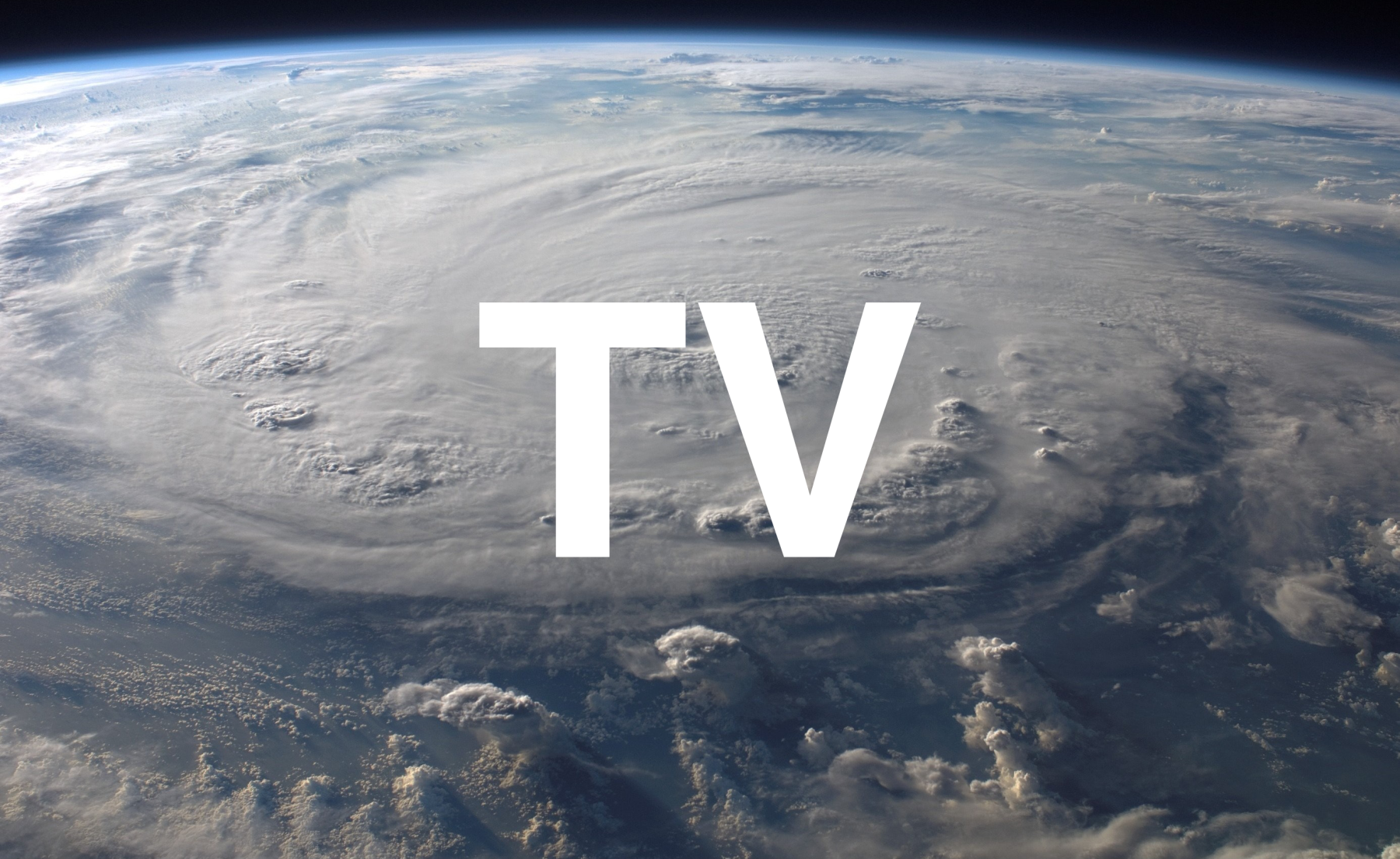
The impact of natural disasters on TV advertising
Last week, The New York Times reported that The Weather Channel, a cable and satellite channel focused solely on weather forecasts and hurricane coverage, averaged almost 1.3 million viewers during prime time over the first half of the week—a sizable increase from the average 150,000 viewers.
This increase was driven by hurricanes Harvey and Irma. For TV advertisers, the numbers beg the question—how do hurricanes, or natural disasters in general, affect TV advertising?
As viewership gravitates to news and weather channels, the impact is felt in both media-buying and performance. News and weather network inventory tightens up and spot pricing spikes. Some rates even double, mostly for morning and daytime rotations. Clients with bookings on these networks experience performance improvements, provided they are not preempted. Following the aftermath of these disasters, we will learn the extent to which clearance was impacted.
During these events, advertisers must weigh the gain in viewership alongside the higher pricing. The most notable improvement in performance was observed by those who had non-preemptible spend in place on news. With breaking news happening almost every quarter, this advocates for many advertisers to commit some budget to non-preemptible spend in news and possibly weather, assuming those genres generally perform.
It is also important to note that not everybody is continuously watching only news and weather channels or that all other stations are ignored during such catastrophic events. Therefore, in general, TV performance is not significantly impacted during natural disasters.
We hope this post sheds some light on this topic during the current times of adversity. Our thoughts and prayers are with the victims and families of those affected by these tragic events.

Brad Geving
I'm Head of Media Buying & Ops and I love it when a plan comes together.
Related
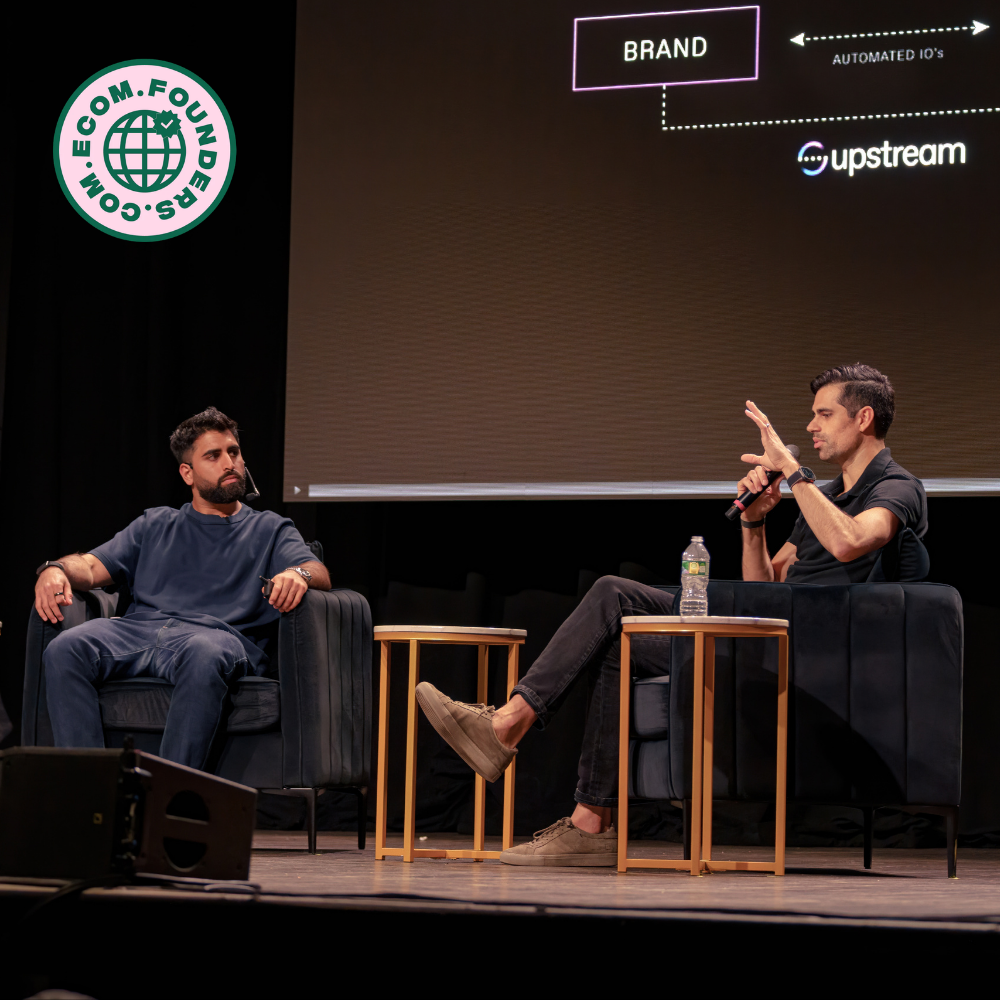
Watch: From Black Box to Built-In Skill: How AI Is Rewriting the Rules of TV Advertising
At the ecomFounders AI Summit, Tatari's Matt Giannetti sat down with Nik Sharma to discuss how AI is rewriting every phase of TV advertising, from planning to execution to creative. Watch the full session and check out some of the highlights.
Read more
Tatari vs. Universal Ads: TV Advertising Platform Comparison
Compare Tatari and Universal Ads across measurement, inventory access, transparency, and pricing. See why Tatari's convergent TV platform—with access to Netflix, Amazon, and Disney/Hulu—differs from Universal Ads' curated Comcast-owned network.
Read more

FAST Channels vs. Linear: What Advertisers Should Know
FAST channels deliver linear-style reach with digital-level targeting and real-time measurement. See how FAST stacks up against linear TV — and how to buy it smartly.
Read more