
Great TV campaigns deserve superior landing pages
At Tatari, we focus on TV advertising. In many cases, this means getting someone to respond to a commercial by visiting a web site. However, as the saying goes, "You can lead a horse to water but you can’t make it drink." Website optimizations are part of doing TV right. A well-designed site will make people explore or buy; and vice versa. Advising our clients on constructing a great landing page is part of what we do at Tatari.
Here are some of the things we have observed over the years and many campaigns.
Keep it simple. A clear web site, loading fast and without much bells and whistles, makes it easier for your (new) visitors. Less is more. Here’s an example: Sur la Table vs Made In Cookware.
This is Sur la Table. An overload of information, yet no clear product shown (instead: this feels like a grocery or recipe site), and multiple different offers.
This is Made In Cookware. Simple, clear product categories, and one clear call to action: shop.
Pay attention to mobile (web) pages. Various studies have pointed out that ~90% of people watch TV with a device in their hand, like a mobile phone. These devices become the click-through medium for flat-screen viewership (often via a Google search), and the first impression there will matter a lot. Related to this, ensure that your ASO (App-store Optimization) and/or mobile app marketing is fully tuned. A great example for Curology is below: strong search results (for branded and non-branded keywords), and a stellar mobile landing page.
Follow the leaders. We all know that successful companies are testing a lot and optimizing. So look at Amazon, Walmart, Target, … and find ideas for testing (i.e. don’t come to the conclusion it’s best for you, too). Walmart’s and Target’s above-the-fold landing pages have similarities: an Easter message and photos related to Easter. Just a few words and a big static image (remember earlier: simplicity!). This is a message that speaks to many visitors, and neither emphasizes buying (more on that below).
Don’t sell too hard. A good call-to-action matches the customer’s frame of mind (e.g. “learn more” in education is better than “enroll now”). Pop-ups may be good, but they need testing. Same with promotions or special offers - it can put people off or suggest “cheap” and/or a lack of quality. Note that we see similar surprises with TV commercials: spots with promos often underperform those same creatives without promos.
Maintain the scent. Contextual similarity and continuity between the TV ad and landing page will smoothen the buying experience. To best understand this, imagine the opposite i.e. the web site suggests different products, prices, etc form what was shown on TV. The book “a/b: always be testing” by Bryan Eisenberg and John Quartro VanTivadar reports that Go Daddy’s 2006 and 2007 SuperBowl ads had very different performance. In both years, race car driver Danica Patrick was featured; she was, however, only featured on the GoDaddy site in 2007. Conversion from the 2007 super below ad was 4x that from 2006. Danica Patricks’s continuity for the TV watcher may just have been that key driver (no pun intended) to such higher conversion. This strategy extends well beyond web sites: we see David Beckham on TV, we see his poster and cardboard cut-outs in department stores, and his image on the packaging of Calvin Klein underwear. Sheer continuity.
Regardless of all the above, our best advice is to test, test and test. Michael Jordan notes: "I've missed more than 9,000 shots in my career. I've lost almost 300 games. Twenty-six times, I've been trusted to take the game-winning shot and missed. I've failed over and over and over again in my life.” Being willing to fail on small A-B tests (but large enough to get quick and accurate results) can lead to big wins. Extensive testing mirrors what we do for TV. Tools like Optimizely or Monetate allow you to quickly set up A-B tests; at Tatari, we typically recommend Thesis since they will even manage all of this for you.

Joel Lander
I’m head of strategy and I have lots of ideas.
Related
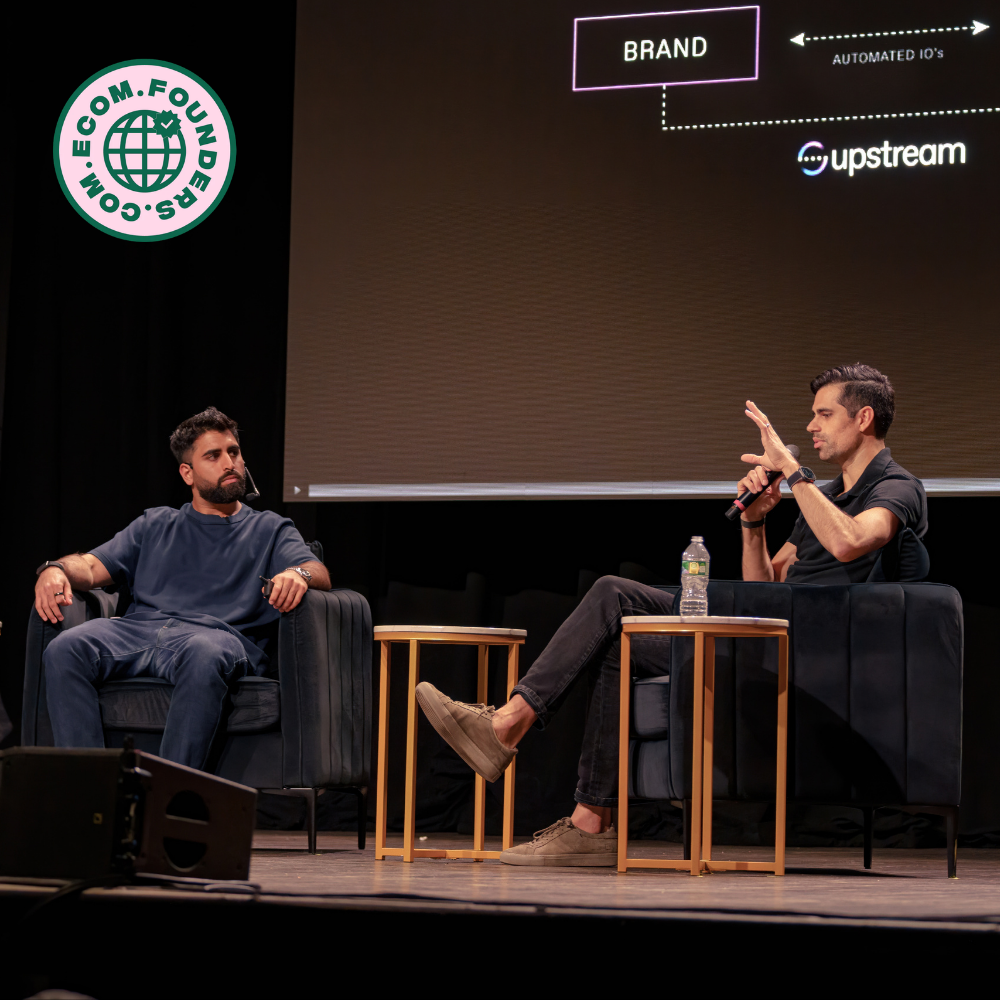
Watch: From Black Box to Built-In Skill: How AI Is Rewriting the Rules of TV Advertising
At the ecomFounders AI Summit, Tatari's Matt Giannetti sat down with Nik Sharma to discuss how AI is rewriting every phase of TV advertising, from planning to execution to creative. Watch the full session and check out some of the highlights.
Read more
Tatari vs. Universal Ads: TV Advertising Platform Comparison
Compare Tatari and Universal Ads across measurement, inventory access, transparency, and pricing. See why Tatari's convergent TV platform—with access to Netflix, Amazon, and Disney/Hulu—differs from Universal Ads' curated Comcast-owned network.
Read more
FAST Channels vs. Linear: What Advertisers Should Know
FAST channels deliver linear-style reach with digital-level targeting and real-time measurement. See how FAST stacks up against linear TV — and how to buy it smartly.
Read more